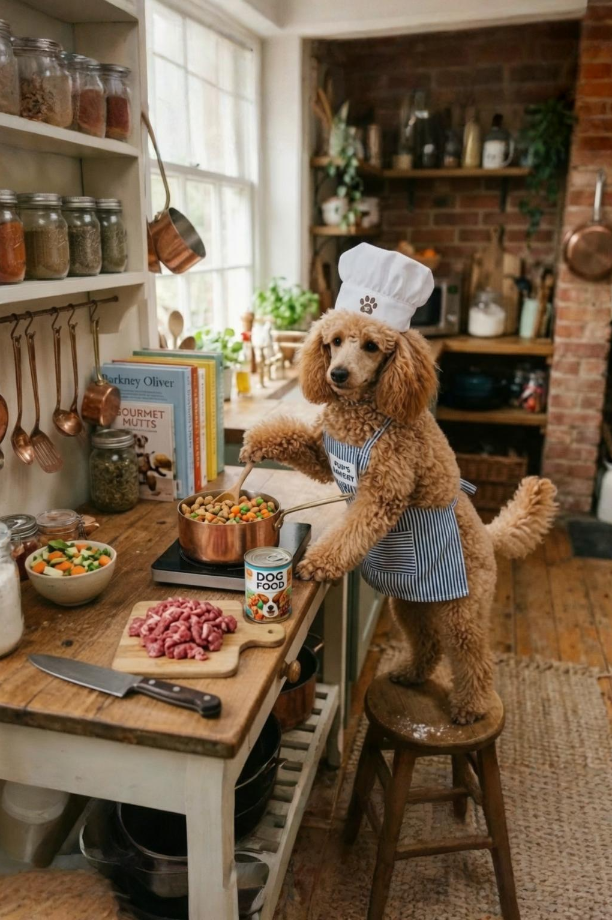
It's one of the most common questions I hear from dog owners who are curious about raw feeding but not quite ready to make the full switch. "Can I just mix a bit of raw food in with my dog's kibble?". It sounds like a sensible compromise — a gentle halfway house between the diet your dog has always eaten and the one you'd like them to eat.
But is it actually a good idea?
The honest answer is: not really.. and here is why.
How Digestion Works — Kibble vs Raw
To understand why mixing kibble and BARF isn't ideal, it helps to understand how differently your dog's digestive system processes each type of food.
Kibble is a heavily processed, carbohydrate-rich food. It digests relatively slowly, sitting in your dog's stomach for longer as the body works to break it down. Raw food, on the other hand, is protein-rich, highly digestible, and moves through the digestive system much more quickly.
When you mix the two together, you're asking your dog's digestive system to do two very different jobs at the same time — processing slow-digesting kibble alongside fast-digesting raw food. This mismatch can lead to:
● Digestive upset — bloating, gas, loose stools or constipation
● Incomplete digestion — neither the kibble nor the raw food being processed as efficiently as it should be
● Nutritional imbalance — the carefully calculated balance of a BARF diet being thrown off by the addition of kibble
The pH Problem
There's another important factor that often gets overlooked — stomach acid pH.
Raw food requires a highly acidic stomach environment to be digested properly and safely. This acidity is also what helps neutralise potentially harmful bacteria in raw meat. Kibble, being carbohydrate-based, requires a less acidic environment to digest.
When you feed both together, the stomach struggles to maintain the optimal pH for either — meaning neither is digested as well as it should be, and the natural bacterial protection that comes with a properly acidic raw-feeding stomach is compromised.
But I've Seen Dogs Do Fine on Both...
You might know dogs that eat a mix of kibble and raw and seem perfectly healthy. And that's entirely possible — dogs are remarkably adaptable creatures. But "seeming fine" and "thriving" are two very different things.
Many of the health issues associated with a poor diet — dull coat, bad breath, low energy, recurring skin conditions, digestive problems — develop gradually over time. A dog that appears fine today may be quietly experiencing the effects of a nutritionally compromised diet that only becomes apparent months or years down the line.
So What Should I Do Instead?
If you're not ready to make the full switch to raw straight away, that's completely understandable. Transitioning your dog's diet is a big step and it's natural to want to take it gradually.
The good news is that there is a better way to transition than simply mixing the two together. But it's important to understand that switching your dog from kibble to raw isn't as simple as swapping one bowl for another overnight either.
A dog that has been eating kibble for any length of time will have a digestive system that has adapted to processing it. Their stomach acid pH will be less acidic than that of a raw-fed dog, their gut microbiome will be different, and their digestive enzymes will need time to adjust to processing raw protein and fat efficiently. An abrupt overnight switch can cause temporary digestive upset — not because raw food is wrong for them, but because their body simply hasn't had time to readjust.
This is why the transition period matters so much — and why getting it right requires more than guesswork. The length and structure of the transition will vary significantly depending on your dog's age, how long they've been eating kibble, their overall health, and their digestive sensitivity. What works beautifully for one dog could cause real discomfort for another.
A structured, carefully planned transition — tailored specifically to your dog's individual needs — is the difference between a smooth, successful switch to raw and a frustrating experience that puts both you and your dog off the idea entirely.
This is exactly what a personalised consultation is designed to help with. Rather than guessing at ratios or hoping for the best, you'll have a clear, expert-led plan that takes your dog from where they are now to where you want them to be — safely, gradually and confidently.
The Bottom Line
Mixing kibble and BARF might feel like a sensible compromise, but it's a bit like putting premium fuel and regular fuel in the same tank and hoping for the best. Your dog's digestive system works best when it's optimised for one type of diet — and the BARF diet, done properly, is the one it was designed for.
If you're curious about making the switch but not sure where to start, the best first step isn't a bag of raw mince alongside the kibble bowl. It's a conversation with someone who can guide you through the process properly — so your dog gets all the benefits of raw feeding from day one, without the digestive drama.
Ready to make the switch the right way? Book a Moving to Raw consultation and I'll create a personalised transition plan specifically for your dog.
Ellie Kelland is the UK's first certified BARF nutritionist, a qualified animal naturopath and a veterinary science graduate. She founded BARF time to help dog owners give their pets the diet nature intended.
Other reads you might find interesting...
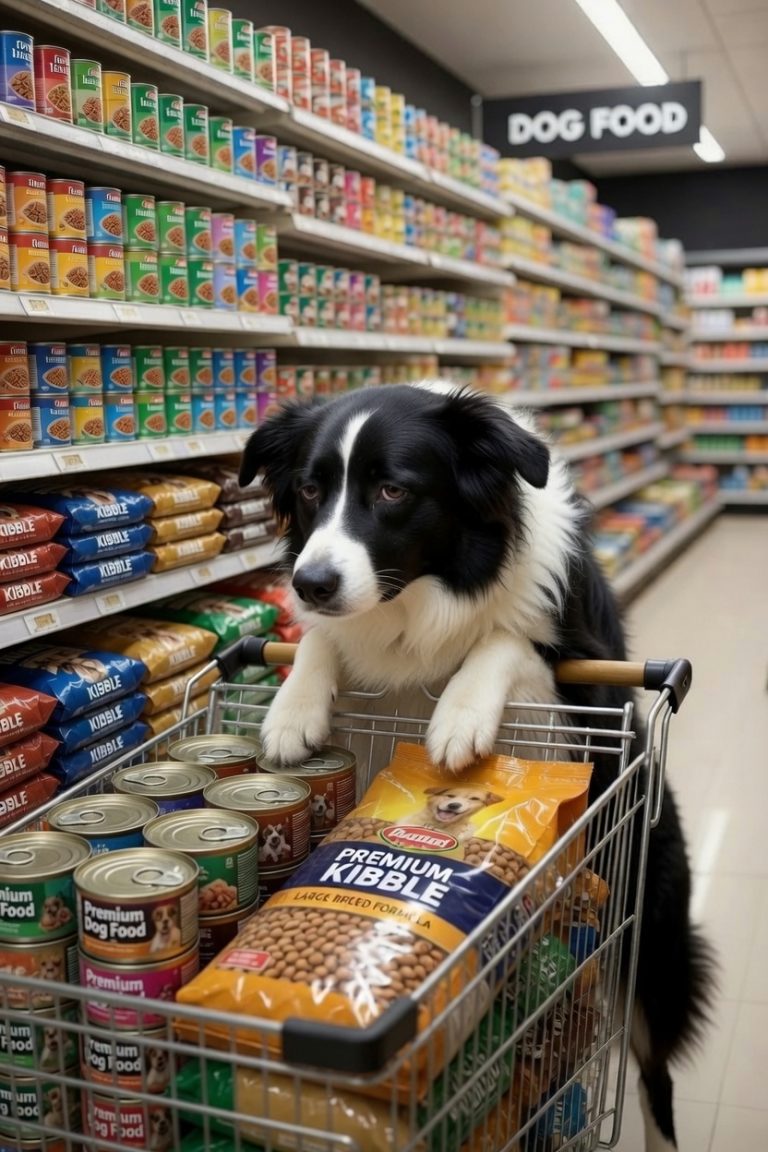
"Fully balanced." 🤔 It's the phrase on almost every tin and pouch of commercial dog food. And it's the phrase that gives most dog owners the most reassurance. But do you know what "fully balanced" actually means, legally? It might not be what you think

It's the question most people in the pet food industry don't want you to ask. Here's the honest truth I wish someone had told me before I lost my beloved Cocker Spaniel Clo to cancer in 2022.

Do Vets Recommend the BARF Diet? It’s one of the first questions dog owners ask when they start researching raw feeding, and …
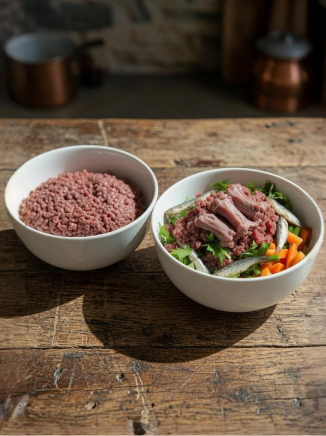
BARF vs Raw feeding: What’s the difference? If you’ve started researching raw food diets for your dog, you’ve probably come across both …