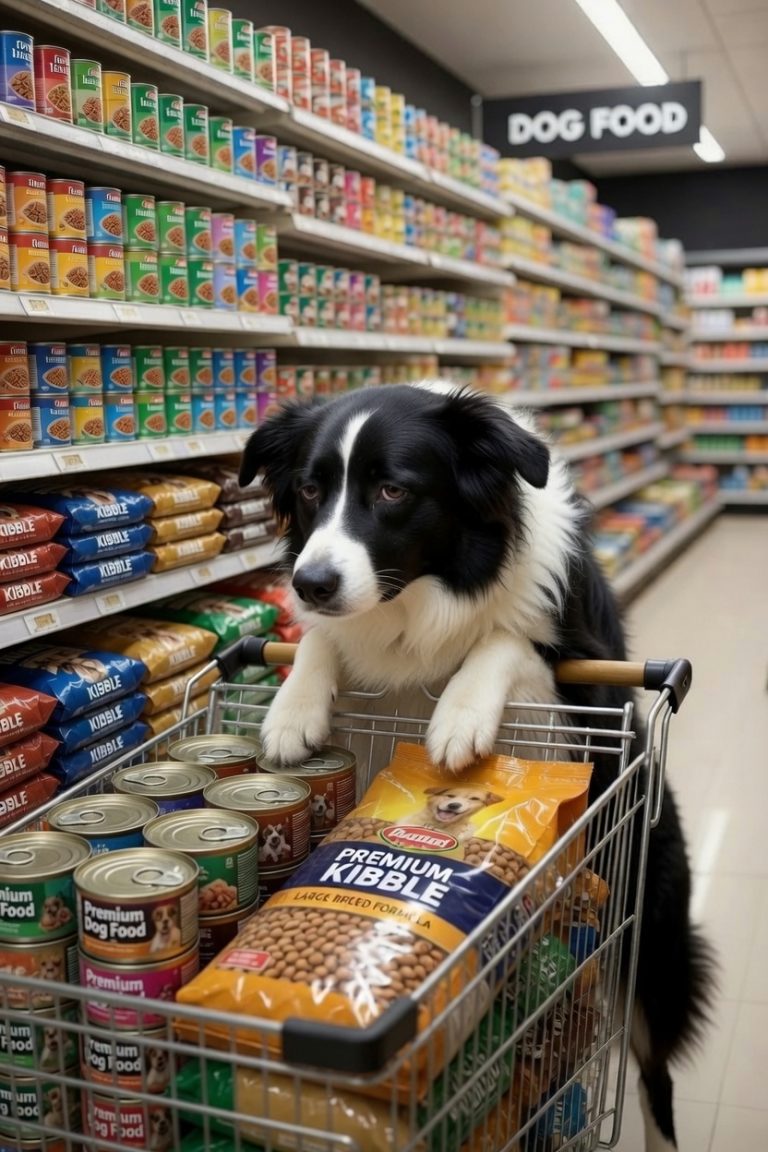
If you've read my previous blog post about kibble, you might already be reconsidering what goes into your dog's bowl, or perhaps you're thinking "well, I already feed my dog wet food. Surely that's better?".
It's a completely understandable assumption. Tinned and pouch dog food look more like real meat. They smells more like real meat, and the label says "fully balanced" — so it must be nutritionally superior to those dry brown pellets, right?
I'm afraid the honest answer is: not really.
Wet food is undoubtedly better than kibble in some respects, but it is still a heavily processed, commercially produced food that falls a very long way short of what your dog's body was designed to eat; and some of what's hiding behind that "fully balanced" label might surprise you.
What Is Tinned Dog Food Actually Made Of?
Pick up a tin or pouch of dog food and turn it over. The ingredients list tells an interesting story.
The first thing you'll notice is the language. "Meat and animal derivatives" is one of the most commonly used phrases in commercial wet dog food, and it's one of the most misleading. It sounds like your dog is getting wholesome, nutritious meat. In reality, it's a catch-all term that can legally include anything from good quality muscle meat to beaks, feathers, hooves, and other parts of animals that would never be considered fit for human consumption.
"Cereals", "sugars", "various sugars", "oils and fats", "minerals" — these are the fillers, binders, and synthetic additives that make up the rest of the product. And then there are the preservatives, colourings and flavour enhancers added to make the food palatable and shelf-stable for months or even years.
This is not real food. It is a manufactured product, engineered to look and smell appealing, to you and your dog, while keeping production costs as low as possible.
What Does "Fully Balanced" Actually Mean?
This is the phrase that gives most dog owners the most reassurance and the most false reassurance.
"Fully balanced" or "complete" dog food simply means that the product meets the minimum nutritional standards set by the pet food industry's own regulatory bodies. These standards define the bare minimum levels of protein, fat, vitamins and minerals that a dog needs to survive, not to thrive.
Meeting the minimum standard required to keep a dog alive is a very different thing from providing the optimal nutrition that allows a dog to genuinely flourish. And crucially, those minimum standards say nothing about the quality or bioavailability of the nutrients provided, only that they are present in sufficient quantities.
A synthetic vitamin added to compensate for nutrients destroyed in processing is not the same as a natural vitamin present in fresh, raw food. Your dog's body knows the difference, even if the label doesn't reflect it.
Isn't Wet Food at Least Better Than Kibble?
In some ways, yes. Wet food has a higher moisture content than kibble, which is genuinely beneficial for dogs; many dogs on a dry kibble diet are chronically mildly dehydrated without their owners realising it. Wet food is also generally lower in carbohydrates than kibble, which is a step in the right direction.
But these relative advantages don't make wet food a good diet. They make it a slightly less problematic one; and "slightly less problematic" is a very low bar when we're talking about the long-term health and wellbeing of an animal we love.
Wet food is still cooked at high temperatures, destroying natural enzymes and reducing the biological value of the protein. It still contains processed, often low-quality ingredients; it still relies on synthetic nutrients to meet basic standards, and it still bears very little resemblance to what a dog's digestive system evolved to process.
The "It Looks Like Meat" Problem
One of the most effective tricks of commercial pet food marketing is making wet food look as much like real meat as possible. The chunks, the gravy, the rich colour; all of it is carefully designed to reassure you that your dog is eating something wholesome and natural.
But looks are deceiving. The "chunks" in many wet foods are made from processed meat derivatives that have been shaped, coloured, and flavoured to resemble real meat. The gravy is thickened with starches and enhanced with flavourings. The rich colour often comes from added colourings rather than the natural colour of quality meat.
You are not seeing what your dog is actually eating. You are seeing what the manufacturer wants you to think your dog is eating.
What About Premium Wet Food Brands?
As with kibble, the premium wet food market has grown significantly in recent years. There are undoubtedly brands that use better quality ingredients, fewer additives, and more transparent labelling than the budget supermarket options.
But even the best commercial wet food is still a processed product. It has still been cooked. It has still had nutrients added synthetically, and it is still being sold to you by a commercial industry whose primary interest is profit, not your dog's health.
The gap between premium wet food and a properly balanced BARF diet is still enormous in terms of ingredient quality, nutritional bioavailability, and biological appropriateness.
So What Should I Feed My Dog?
The answer, as I hope you're beginning to see, is not about finding the least bad commercial option. It's about stepping outside the commercial dog food industry entirely and feeding your dog the diet their body was actually designed for. The BARF diet.
Raw meat, organs, bones, fruit, vegetables, seeds and oils, carefully balanced to meet your dog's individual needs; is not a trend or a fad. It is a return to the biologically appropriate diet that dogs thrived on long before the commercial pet food industry existed.
It requires a little more thought and preparation than opening a tin, but the difference it makes to your dog's health, energy, coat, digestion, and overall quality of life is, in my experience, nothing short of remarkable.
And it is absolutely worth it.
Curious about making the switch to a BARF diet for your dog? Book a consultation with me and let's create a personalised raw feeding plan tailored specifically to your dog's needs. Because your dog deserves better than the minimum standard.
Ellie Kelland is the UK's first certified BARF nutritionist, a qualified animal naturopath and a veterinary science graduate. She founded BARF time to help dog owners give their pets the diet nature intended.
Other reads you might find interesting...

It's the question most people in the pet food industry don't want you to ask. Here's the honest truth I wish someone had told me before I lost my beloved Cocker Spaniel Clo to cancer in 2022.
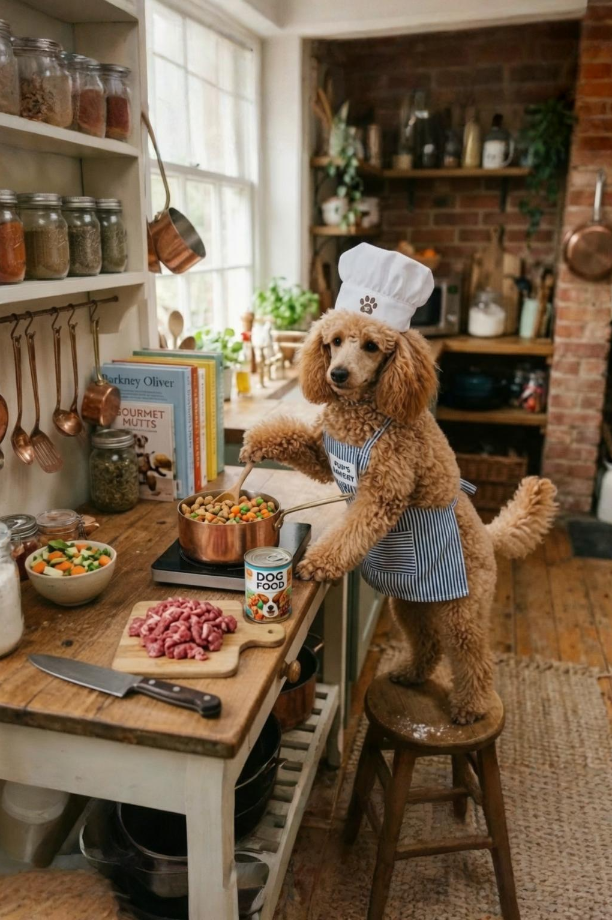
Thinking of mixing kibble and raw food? It sounds like a sensible compromise — but here's why it's not ideal and what to do instead.

Do Vets Recommend the BARF Diet? It’s one of the first questions dog owners ask when they start researching raw feeding, and …
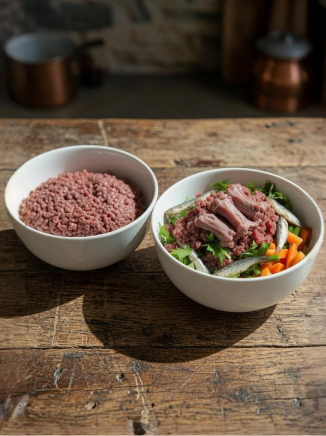
BARF vs Raw feeding: What’s the difference? If you’ve started researching raw food diets for your dog, you’ve probably come across both …