
This is the question that started my entire journey into canine nutrition. And it's one that more and more dog owners are asking, often after years of feeding their dogs kibble without a second thought, just as most of us were told to do.
So let me give you the honest, straight answer that I wish someone had given me years ago.
Yes. Kibble is bad for dogs.
Not in the sense that it will kill your dog tomorrow. Not in the sense that every kibble-fed dog is desperately unwell, but in the sense that it is a biologically inappropriate, heavily processed food that was never designed with your dog's health in mind, and the long-term consequences of feeding it are far more serious than most people realise.
Let me explain.
What Actually Is Kibble?
Kibble is a highly processed, carbohydrate-heavy food made by combining various ingredients, often including grains, meat derivatives, artificial preservatives, colourings and flavourings, and cooking them at extremely high temperatures through a process called extrusion.
That cooking process is what gives kibble its long shelf life and its convenient pellet shape. It's also what destroys much of the nutritional value of the ingredients. Vitamins, enzymes and natural proteins are significantly degraded by the extreme heat of the extrusion process, which is why synthetic vitamins and minerals have to be added back in afterwards to meet basic nutritional standards.
In other words, kibble starts with ingredients of often questionable quality, destroys much of their nutritional value in processing, and then adds synthetic nutrients back in to compensate. That is not a recipe for optimal canine health.
Dogs Are Not Designed to Eat Carbohydrates
One of the most fundamental problems with kibble is its carbohydrate content. Most commercial kibbles are between 30% and 60% carbohydrates; grains, potatoes, legumes and other starchy fillers that bulk out the product and keep costs down.
Dogs are not designed to eat carbohydrates in these quantities. They are omnivores who evolved on a diet of raw meat, organs, bones, fruit, and vegetables — not grains and starches. Their digestive systems simply are not optimised to process large amounts of carbohydrates efficiently.
The consequences of this chronic carbohydrate overload include:
● Blood sugar imbalances — contributing to weight gain, lethargy, and in some cases diabetes
● Chronic inflammation — a root cause of many of the most common canine health conditions
● Poor gut health — an imbalanced microbiome that affects everything from immunity to mood
● Dental disease — contrary to popular belief, kibble does not clean dogs' teeth. The starch in kibble actually feeds the bacteria that cause dental plaque and decay
The Cancer Connection
This is the part that hit closest to home for me personally.
Dogs have become one of the most cancer-prone mammals on the planet. It is estimated that almost half of dogs over the age of ten will develop cancer. That is a devastating and deeply troubling statistic, and one that has emerged alongside the rise of commercial dog food over the past century.
My own beloved Cocker Spaniel, Clo, died of cancer in 2022. She had eaten kibble her entire life. I will never know for certain whether her diet contributed to her illness, but what I do know, having studied canine nutrition formally since her death, is that the link between a highly processed, carbohydrate-rich diet and chronic inflammation (a key driver of cancer!), is well established in the scientific literature.
I am not saying kibble causes cancer, but I am saying that a diet that promotes chronic inflammation, gut dysbiosis and immune dysfunction, does not give your dog's body the best possible chance of fighting it.
But My Dog Seems Fine on Kibble...
This is the response I hear most often, and I understand it completely, because for a long time, I thought the same thing about Clo.
The problem is that many of the health issues associated with a poor diet, develop slowly and silently over years. A dog that seems perfectly healthy on the surface may be experiencing low-level chronic inflammation, digestive inefficiency, or immune dysfunction that only becomes apparent when it's too late.
Some of the most common signs that a dog's diet may not be serving them well include:
● Dull, dry, or itchy coat
● Bad breath
● Flatulence
● Soft or large, smelly stools
● Recurring ear infections or skin conditions
● Low energy or lethargy
● Excessive shedding
● Anal gland problems
Many dog owners accept these as normal parts of owning a dog. They are not. They are signs that something isn't right, and very often diet is at the root of it.
What About "Premium" or "Natural" Kibble?
The premium kibble market has grown enormously in recent years, with brands marketing their products as "natural", "grain-free" or "high protein." And while some of these products are undoubtedly better than budget supermarket kibbles, they are still fundamentally a heavily processed food.
"Grain-free" kibble, for example, simply replaces grains with other starchy carbohydrates like sweet potato or legumes; it doesn't solve the underlying problem of carbohydrate overload. "High protein" kibble still processes that protein at extreme temperatures, significantly reducing its biological value.
Marketing language is not the same as genuine nutritional quality. And no amount of clever branding changes the fundamental fact that kibble is not what dogs evolved to eat.
The Alternative
I am not writing this to make you feel guilty about feeding your dog kibble. Most of us did it because we were told it was the right thing to do — by vets, by pet shops, by decades of advertising from the commercial pet food industry.
But now that the information is available, now that the evidence is growing, and now that there is a genuine, biologically appropriate alternative — the BARF diet — there is every reason to consider making the switch.
Dogs fed a properly balanced BARF diet thrive. Their coats shine. Their teeth are cleaner. Their stools are smaller and less smelly. Their energy levels improve. Their immune systems are stronger. And their bodies are given the best possible chance of living a long, healthy, happy life.
That is what every dog deserves. And it's why I do what I do.
Ready to give your dog the diet nature intended? Book a consultation with me and let's create a personalised BARF diet plan for your dog — because it's never too late to make the switch.
Ellie Kelland is the UK's first certified BARF nutritionist, a qualified animal naturopath and a veterinary science graduate. She founded BARF time to help dog owners give their pets the diet nature intended.
Other reads you might find interesting...
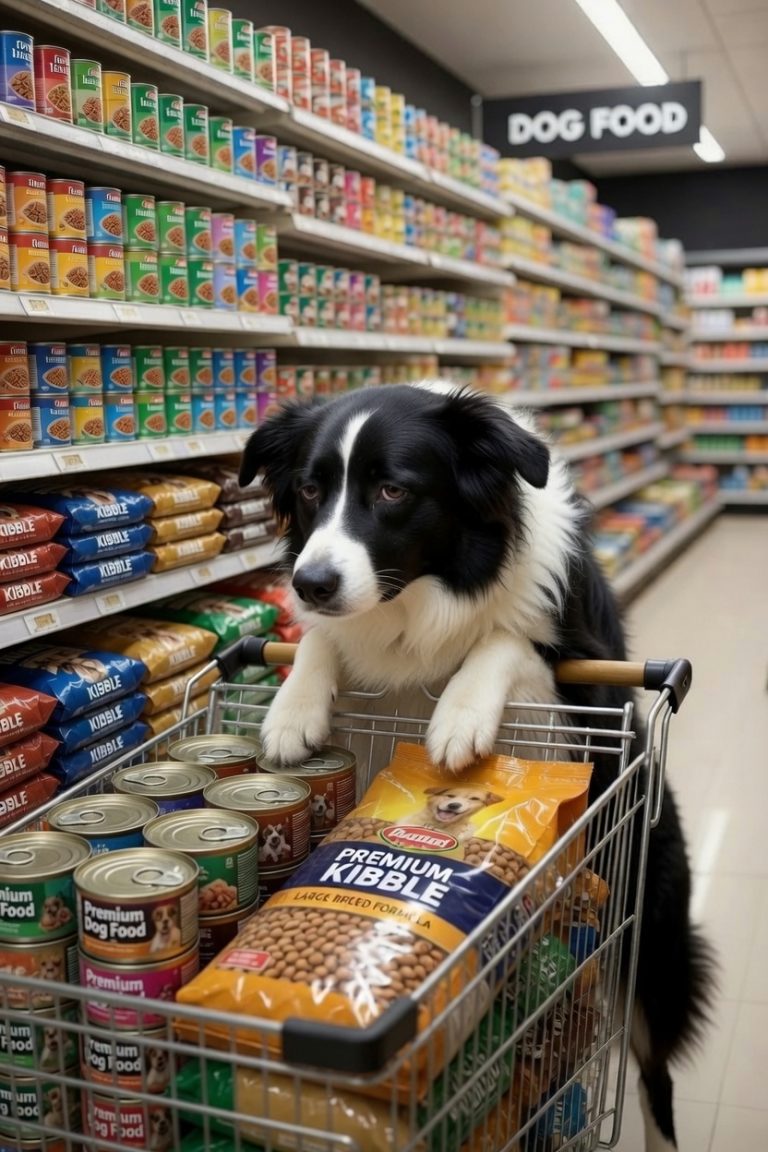
"Fully balanced." 🤔 It's the phrase on almost every tin and pouch of commercial dog food. And it's the phrase that gives most dog owners the most reassurance. But do you know what "fully balanced" actually means, legally? It might not be what you think
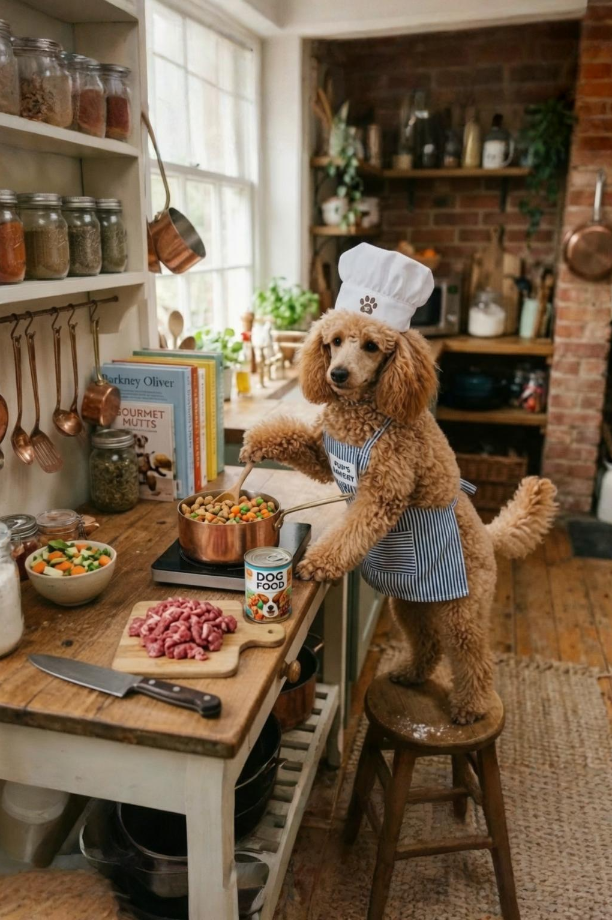
Thinking of mixing kibble and raw food? It sounds like a sensible compromise — but here's why it's not ideal and what to do instead.

Do Vets Recommend the BARF Diet? It’s one of the first questions dog owners ask when they start researching raw feeding, and …
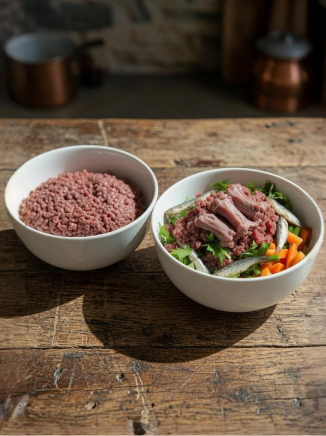
BARF vs Raw feeding: What’s the difference? If you’ve started researching raw food diets for your dog, you’ve probably come across both …