
One of the first questions I get asked when people discover the BARF diet is: "It sounds amazing but, isn't it really expensive?"
It's a fair question — and one that deserves an honest answer. So let's break it down properly, because the reality might surprise you.
The upfront perception
When people first look into raw feeding, they often compare the price of raw ingredients to a bag of kibble and conclude that raw must be more expensive. And yes, on the surface, a bag of dry kibble can seem cheaper per day than buying raw meat, organs and vegetables. But here's what that comparison misses entirely: what is that kibble actually costing you in the long run?
The real cost of kibble
Commercial kibble is heavily processed, often containing fillers, artificial preservatives
and ingredients that are far removed from what a dog's body was designed to digest. Over time, a biologically inappropriate diet takes a toll on your dog's health and on your wallet.
Think about how much you currently spend on:
● Vet bills for recurring skin conditions, digestive issues or allergies
● Dental treatments — kibble is notorious for contributing to poor dental health
● Supplements to compensate for what the kibble lacks
● Medications for conditions that may be diet-related
Many dog owners who switch to a BARF diet find that these costs reduce significantly, sometimes disappearing altogether. When you factor in the potential savings on veterinary care, raw feeding can actually work out considerably cheaper over the course of your dog's life.
So what does BARF actually cost per day?
The honest answer is: it depends on your dog.
Factors that affect the daily cost include:
● Your dog's size and weight — a Chihuahua and a Great Dane will have very different portion sizes
● Where you source your ingredients — local butchers, farm suppliers and raw pet food companies all offer different price points
● The variety in their diet — some proteins are more affordable than others
As a rough guide, many owners feed a medium-sized dog a BARF diet for between £1.50 and £3.50 per day — comparable to, or only marginally more than, a mid-range kibble. For smaller dogs, it can be even less.
The key is knowing exactly what your dog needs and in what quantities — which is precisely where getting the diet right from the start saves you money, rather than guessing and wasting ingredients.
The hidden savings nobody talks about
Beyond vet bills, there are some less obvious financial benefits to switching to raw that owners often only notice after the fact:
● Smaller stools — raw food is highly digestible, so very little goes to waste. You'll be buying less poo bags too!
● No more anal gland expressions — a properly balanced BARF diet naturally keeps anal glands healthy, saving you regular vet/grooming appointments
● Fewer flea and parasite treatments — a strong immune system from a healthy diet can reduce susceptibility
● A longer, healthier life — perhaps the most valuable saving of all
Is it worth the investment?
Put simply — yes. The BARF diet is an investment in your dog's health, and like most good investments, the returns come over time. The dogs that thrive on raw feeding tend to live longer, suffer fewer chronic illnesses, and cost their owners far less in veterinary care over their lifetime.
The question isn't really "Can I afford to feed my dog a BARF diet?"
It's "Can I afford not to?"
Getting started without breaking the bank
The most common mistake people make when starting raw feeding is getting the balance wrong —either overcomplicating it, over-buying ingredients, or feeding incorrect ratios. This is where money gets wasted and owners get discouraged.
A personalised consultation means you know exactly what your dog needs from day one — the right proteins, the right portions, and the most cost-effective way to source ingredients for your budget. No waste, no guesswork, no expensive trial and error.
Ready to find out what a BARF diet would cost for your dog specifically? Book a consultation with me, and I'll create a personalised feeding plan tailored to your dog's needs and your budget.
Ellie Kelland is the UK's first certified BARF nutritionist, a qualified animal naturopath, and a veterinary science graduate. She founded BARF time to help dog owners give their pets the diet nature intended.
Other reads you might find interesting...
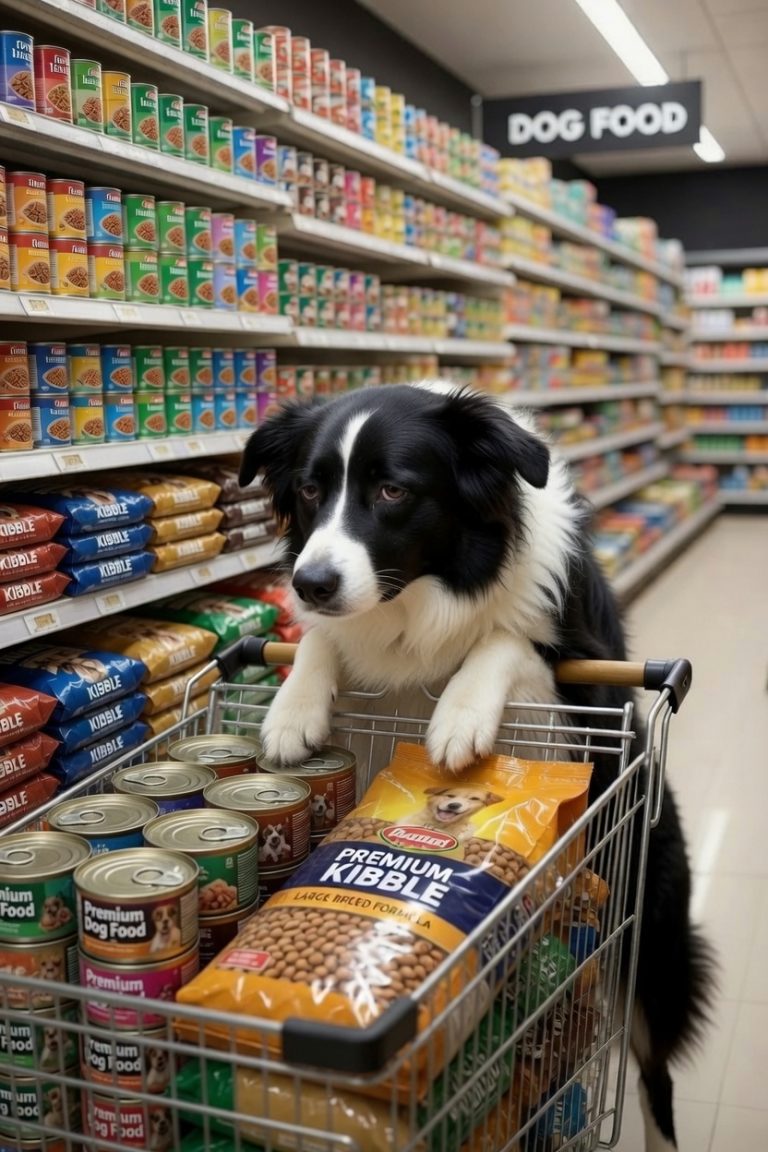
"Fully balanced." 🤔 It's the phrase on almost every tin and pouch of commercial dog food. And it's the phrase that gives most dog owners the most reassurance. But do you know what "fully balanced" actually means, legally? It might not be what you think

It's the question most people in the pet food industry don't want you to ask. Here's the honest truth I wish someone had told me before I lost my beloved Cocker Spaniel Clo to cancer in 2022.

Thinking of mixing kibble and raw food? It sounds like a sensible compromise — but here's why it's not ideal and what to do instead.

Do Vets Recommend the BARF Diet? It’s one of the first questions dog owners ask when they start researching raw feeding, and …