
If you've ever owned a dog that scoots their bottom along the floor, licks obsessively at their rear end, or needs regular trips to the vet or groomer to have their anal glands expressed, you'll know just how uncomfortable, smelly, and frustrating this problem can be.
Anal gland issues are one of the most common reasons dog owners visit their vet. And yet, for something so prevalent, the root cause is remarkably rarely addressed.
Because in the vast majority of cases, the answer lies in the bowl.
What are anal glands?
Anal glands, or anal sacs, are two small glands located on either side of your dog's anus, at approximately the four o'clock and eight o'clock positions. They produce a strong-smelling fluid that dogs use for scent marking and communication; it's why dogs greet each other by sniffing each other's rear ends.
In a healthy dog, these glands empty naturally every time they defecate. The pressure of a firm, well-formed stool passing through the rectum is what triggers the glands to express themselves automatically.
The problem arises when that doesn't happen.
Why do anal glands become problematic?
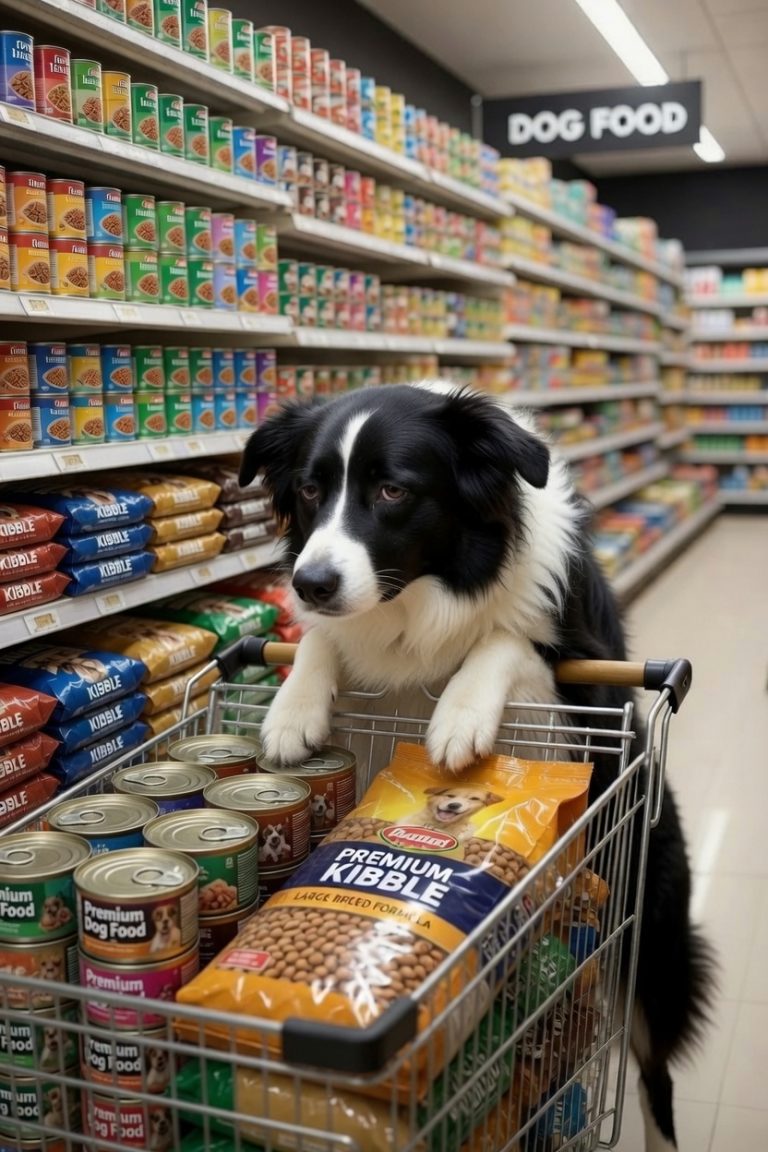
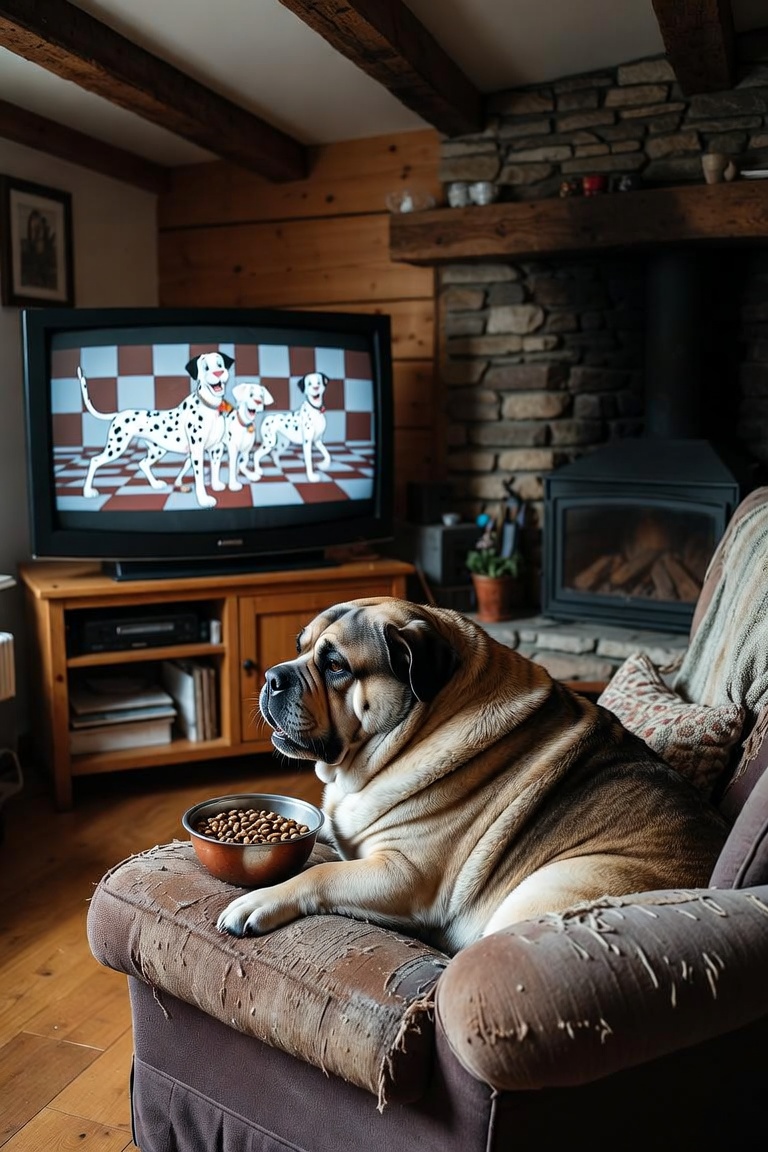
When stools are consistently soft, small, or poorly formed, as is very common in dogs fed commercial kibble or tinned food, there isn't enough pressure to empty the anal glands naturally. The fluid builds up, the glands become impacted, inflamed or infected, and your dog becomes increasingly uncomfortable.
The signs are familiar to many dog owners:
● Scooting or dragging their bottom along the floor
● Licking or biting at their rear end
● A strong, unpleasant fishy smell
● Swelling or redness around the anus
● Discomfort when sitting or reluctance to sit
Most vets will treat this by manually expressing the glands, a temporary fix that needs repeating regularly, sometimes every few weeks. What is rarely discussed is why the glands aren't emptying naturally in the first place, and what can be done to address that root cause.
My own experience
I know this problem intimately because I lived it for years without ever understanding why.
With my first dog Clo, I used to express her anal glands regularly. I thought it was just a normal part of dog ownership, something all dogs needed. Despite having a veterinary science degree, the connection between diet and anal gland problems was never something I had explored. Like most dog owners, I simply accepted it as one of those things, a routine procedure that just had to be done.
It wasn't until I immersed myself in canine nutrition, properly, deeply, after losing Clo to cancer in 2022, that the penny finally dropped. The connection between diet and anal gland problems is not something that is widely discussed, even within the veterinary world. Anal gland expression tends to be treated as a maintenance procedure rather than a symptom of something that could be addressed at its root.
I wish I had known sooner.
Now, with my rescue girl Brandy, who has been on a BARF diet since she came to me, I have never once needed to express her anal glands. Not once. Because she simply doesn't need it.
That, for me, says everything.
The diet connection
Here's the simple truth: a dog producing firm, well-formed stools will almost never have anal gland problems. And the most reliable way to produce firm, well-formed stools is to feed a biologically appropriate raw diet.
Commercial dog food, whether kibble or tinned, is high in processed ingredients, fillers, and carbohydrates that the dog's digestive system struggles to process efficiently. The result is often soft, bulky, poorly formed stools that don't provide the pressure needed to naturally express the anal glands.
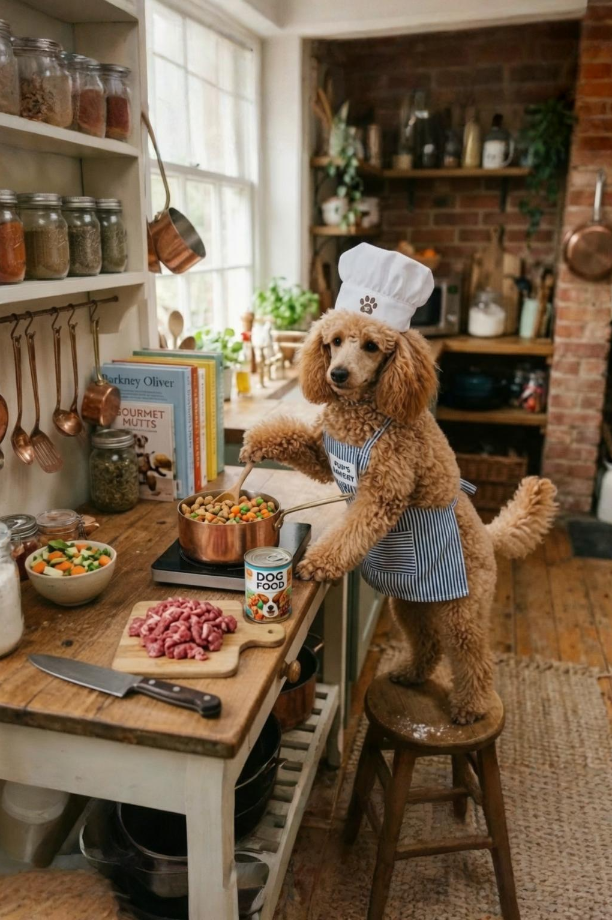
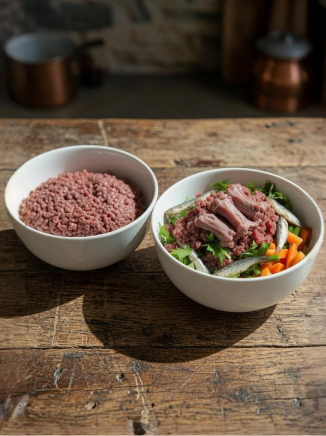
Raw food, by contrast, is highly digestible. Very little goes to waste. The stools produced by a raw-fed dog are typically smaller, firmer, and drier, exactly what's needed to keep the anal glands functioning as nature intended.
Many dog owners who switch to a BARF diet report that their dog's anal gland problems disappear entirely, without a single trip to the vet or groomer for manual expression.
Raw bones — Nature's anal gland solution
There's another important piece of the puzzle that commercial feeding misses entirely, raw meaty bones.
Chewing and consuming raw bones adds natural roughage to your dog's diet, further firming the stool and providing additional pressure during defecation. It is one of the most effective and completely natural ways to support healthy anal gland function, and it's something no kibble or tinned food can replicate.
Is diet always the answer?
In the vast majority of cases, yes , diet is at the root of chronic anal gland problems. However, some dogs have anatomical differences that make them more prone to impaction regardless of diet, and dogs that have suffered repeated infections may have scar tissue that affects gland function.
If your dog has been struggling with anal gland issues for a long time, addressing their diet is always the best first step. For most dogs, it will be transformative. For those with underlying anatomical issues, a properly balanced raw diet will still significantly reduce the frequency and severity of the problem.
The bottom line
Chronic anal gland problems are not an inevitable part of dog ownership. They are, in most cases, a symptom of a diet that isn't working for your dog's digestive system.
Switch the food. Firm up the stools. Let nature do the rest.
Is your dog suffering from recurring anal gland problems? Book a consultation with me and let's get to the root of it, because your dog deserves to be comfortable, and you deserve a home that doesn't smell fishy.
Ellie Kelland is the UK's first certified BARF dog nutritionist, a qualified animal naturopath and a veterinary science graduate. She founded BARF time to help dog owners give their pets the diet nature intended.
Other reads you might find interesting...