
If you share your life with a dog who is incontinent, paralysed, or has lost the use of their back legs, you already know that your daily reality looks very different from that of most dog owners.
The wheelchair carts. The specially adapted living spaces. The dog pens lined with bedding that needs changing multiple times a day. The endless, loving patience it takes to care for a dog whose body doesn't work the way it used to, or perhaps never did.
You do it because you love them. Because every dog deserves a good life, regardless of what their body can or can't do.
And it's precisely because of that love that I want to talk about something that might make your day, and your dog's day, a little bit easier.
The reality of incontinence and commercial dog food
For a dog that cannot control when or where they defecate, the nature of their stools matters enormously, both for their comfort and dignity, and for the practical reality of keeping them clean.
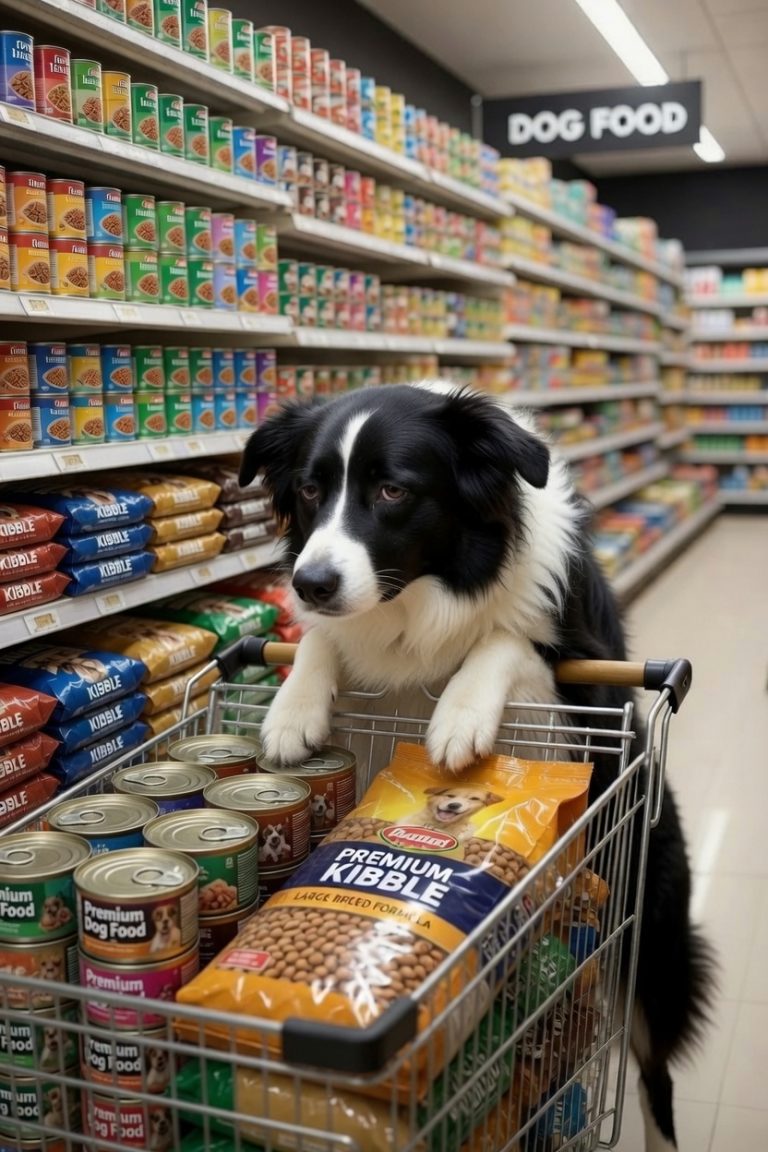
Commercial dog food, whether kibble or tinned, produces large, soft, and often very smelly stools. For a mobile dog, this is unpleasant but manageable. For a dog living in a pen, a wheelchair, or spending significant time lying down, it becomes something much more difficult to deal with.
Soft, bulky stools mean more mess. More mess means more frequent cleaning. More frequent cleaning means more disturbance and discomfort for a dog who is already vulnerable. And for a dog whose skin may already be at risk from reduced mobility, the presence of loose stool against the skin can cause soreness, irritation and infection.
It is one of those practical realities that carers of disabled dogs live with every day, and one that is almost never discussed in the context of nutrition.
What BARF poos are really like
One of the most consistently reported benefits of switching to a BARF diet, and one that always raises a smile, is the dramatic change in stool quality.
Raw food is highly digestible. Very little goes to waste. The stools produced by a raw-fed dog are:
Significantly smaller — because the body uses more of what it's given
Firmer and drier — easier to clean and far less likely to spread or smear
Much less odorous — a genuine quality of life improvement for dog and carer alike
Less frequent — because there is simply less waste to eliminate
For a dog with full mobility, these are welcome improvements. For a dog living with incontinence or limited mobility, they can be genuinely life-changing.
A smaller, firmer, drier stool in a dog pen is incomparably easier to manage than the soft, bulky output of a commercial diet. It means less mess on the dog's coat and skin, less frequent disturbance for cleaning, and a cleaner, more comfortable environment for a dog who deserves every comfort available to them.
Beyond the practical — Nutrition matters more, not less
There is a temptation, when a dog is severely disabled, to focus entirely on managing their condition and to overlook the role that nutrition plays in their overall health and quality of life.
But for a dog with reduced mobility or spinal injuries, nutrition is arguably more important than ever. A properly balanced BARF diet supports:
● Immune function — disabled dogs can be more susceptible to infections and secondary health issues
● Healthy skin and coat — particularly important for dogs spending time lying down, where pressure sores and skin irritation are a risk
● Muscle maintenance — even in dogs with limited mobility, the right nutritional support helps maintain the muscle mass they do have
● Anti-inflammatory support — raw food rich in omega-3 fatty acids can help manage inflammation associated with spinal conditions and joint problems
● Mental wellbeing — a dog that enjoys their food and feels well nourished is a happier dog, whatever their physical limitations
A note on amputee dogs
Dogs that have lost one or both back legs, whether through injury, cancer, or congenital conditions, are some of the most joyful, resilient animals you will ever encounter. They adapt with a grace and determination that puts most humans to shame.
But their nutritional needs are specific. The right balance of protein to support muscle strength, anti-inflammatory ingredients to protect their remaining joints, and the correct caloric intake for a dog whose activity levels may have changed; all of these need careful consideration.
A generic raw feeding plan is better than commercial food. A personalised one is even better.
Every dog deserves the best
Every dog deserves the very best nutrition, and that is just as true for a dog living with disability, incontinence, or limited mobility as it is for any other. If anything, the dogs who face the greatest physical challenges have the most to gain from a diet that truly supports their body from the inside out.
If you are one of those people, please know that what you put in your dog's bowl matters just as much as every other aspect of the incredible care you provide. And that a properly balanced BARF diet, tailored specifically to your dog's individual needs and health situation, might make both of your lives a little bit easier, and a great deal better.
Caring for a disabled, incontinent, or mobility-impaired dog? Book a Healing Raw consultation with me and let's create a personalised nutrition plan that supports your dog's specific needs, because every dog, whatever their body can do, deserves to thrive.
Ellie Kelland is the UK's first certified BARF raw dog nutritionist, a qualified animal naturopath and a veterinary science graduate. She founded BARF time to help dog owners give their pets the diet nature intended.
Other reads you might find interesting...