
We spend a lot of time thinking about what our dogs eat in terms of their physical health, their coat, their weight, their digestion. But there's another dimension of canine wellbeing that diet profoundly affects, and one that is almost never discussed in the context of food.
Behaviour.
If your dog is hyperactive, anxious, aggressive, easily distracted, or just never quite seems settled, its food might be playing a bigger role than you'd ever imagine.
The gut-brain connection
Science has known for some time that the gut and the brain are deeply connected, in humans and in dogs. The gut is sometimes called the "second brain" because it contains an enormous network of neurons and produces a significant proportion of the body's serotonin, the neurotransmitter most associated with mood, calm and emotional stability.
A healthy gut microbiome supports healthy brain function. An unhealthy one, disrupted by a poor diet, can contribute to anxiety, hyperactivity, irritability and difficulty regulating emotions.
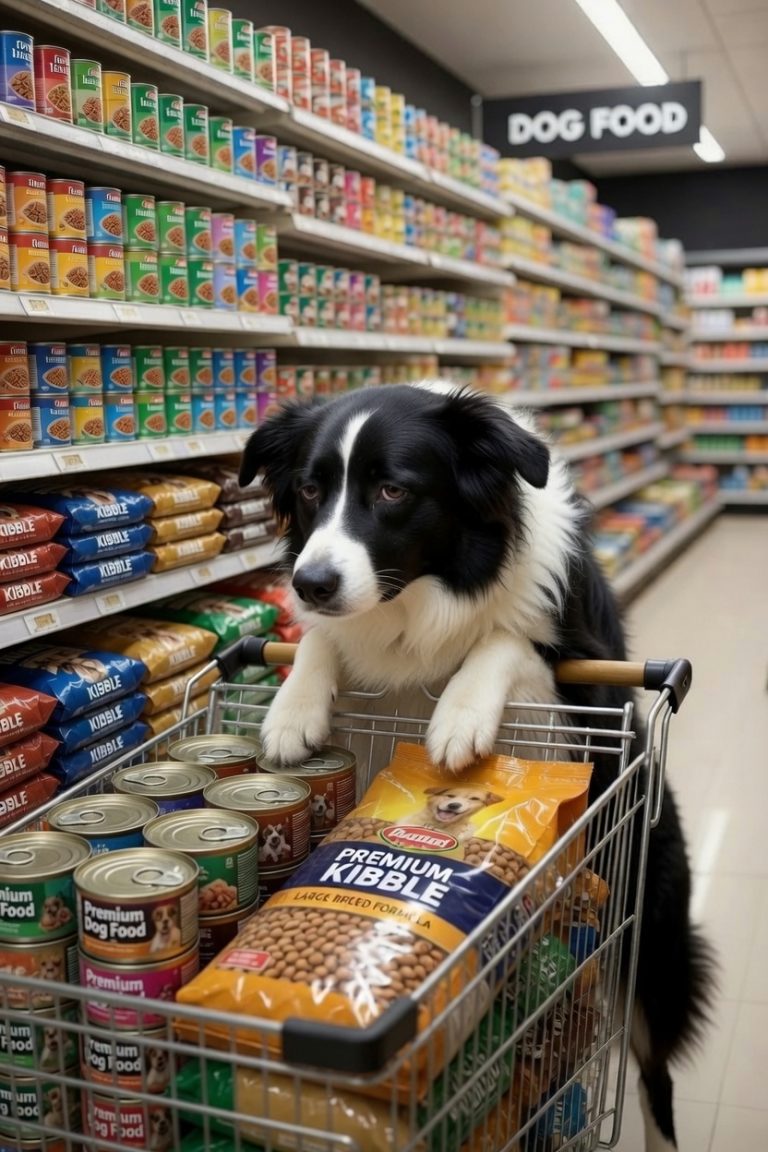
Commercial dog food, with its processed ingredients, artificial additives and high carbohydrate content, is one of the most common disruptors of canine gut health. And the behavioural consequences of that disruption are more significant than most dog owners, or indeed most vets realise.
Sugar highs and crashes
Commercial dog food is typically packed with carbohydrates that cause blood sugar to spike rapidly after eating, then crash just as quickly.
Sound familiar? It's the same mechanism as a child on a sugar rush, except it's happening to your dog every single day, at every meal.
The result? A dog that is hyperactive shortly after eating, lethargic between meals, difficult to settle, and hard to focus during training. A dog that owners and trainers often describe as "just being that way".
They're not just being that way. They're reacting to their food.
What owners notice after switching to raw
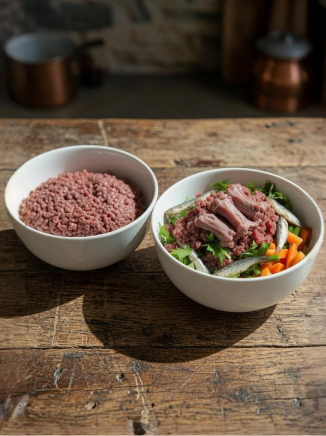
The physical changes that come with a BARF diet are well known: shinier coat, better digestion, cleaner teeth. But the behavioural changes are often what surprise owners most:
● A calmer, more settled dog
● Reduced anxiety and reactivity
● Better focus during training
● Less destructive behaviour
● A dog that finally seems comfortable in their own skin
These aren't coincidences. They're what happens when a dog's brain and nervous system are properly nourished for the first time.
Is food the only answer?
Not always. Behaviour is complex, and diet is one piece of a larger puzzle that includes training, environment, socialisation and emotional history. A dog with deep-rooted anxiety or aggression may need professional behavioural support alongside dietary changes.
But food is almost always worth addressing first, because it is the foundation everything else is built on. You cannot build a calm, balanced, emotionally stable dog on a foundation of processed food, artificial additives and blood sugar spikes.
Start with what goes in the bowl. You might be surprised how much changes.
Is your dog's behaviour a concern? A properly balanced BARF diet could be the missing piece. Book a consultation with me and let's explore how the right nutrition could transform not just your dog's health, but their happiness too.
Ellie Kelland is the UK's first certified BARF dog nutritionist, a qualified animal naturopath and a veterinary science graduate. She founded BARF time to help dog owners give their pets the diet nature intended.
Other reads you might find interesting...